
Why TMS Works Differently From Any Antidepressant
You may be experiencing:
- →Tried multiple antidepressants without achieving full relief
- →Experienced side effects that made medication feel worse than depression
- →Weight changes, emotional blunting, or sexual side effects from SSRIs
- →Discontinued medication because the trade-off wasn’t worth it
- →Felt partial improvement but never reached the baseline you remember
- →Lost confidence that medication is the right answer for your brain
Antidepressant failure is more common than most patients realize. Studies estimate that 30 to 40 percent of people with major depressive disorder do not achieve full remission from medication. Partial response — feeling somewhat better but never fully recovered — is also extremely common.
Patients across Boca Raton, Fort Lauderdale, and Delray Beach come to us specifically because they have reached the end of what medication can offer. TMS was designed for exactly this situation — and the clinical evidence reflects that.
TMS is not another medication. It is a fundamentally different approach — which is why it works when medication hasn’t.
Why TMS Works Differently From Any Antidepressant
Every antidepressant — regardless of class — works by adjusting neurotransmitter levels throughout your system. SSRI, SNRI, tricyclic, MAOI — different mechanisms, same approach: chemical regulation through the bloodstream. When that approach fails or produces intolerable side effects, the answer is not another variation of the same thing.
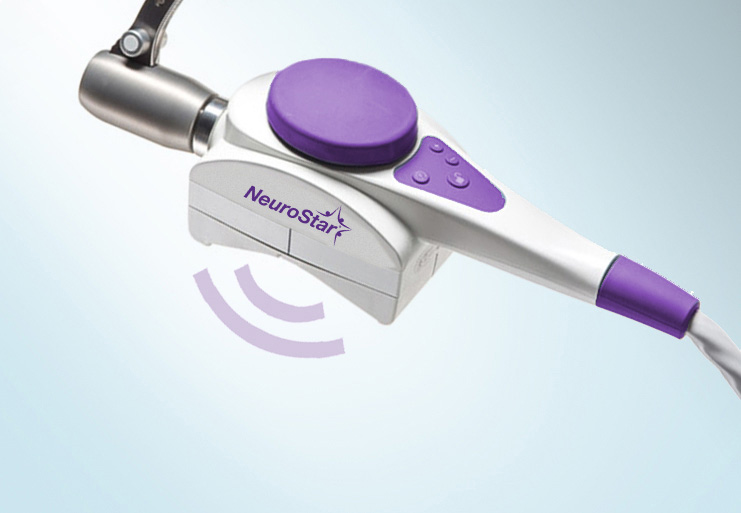
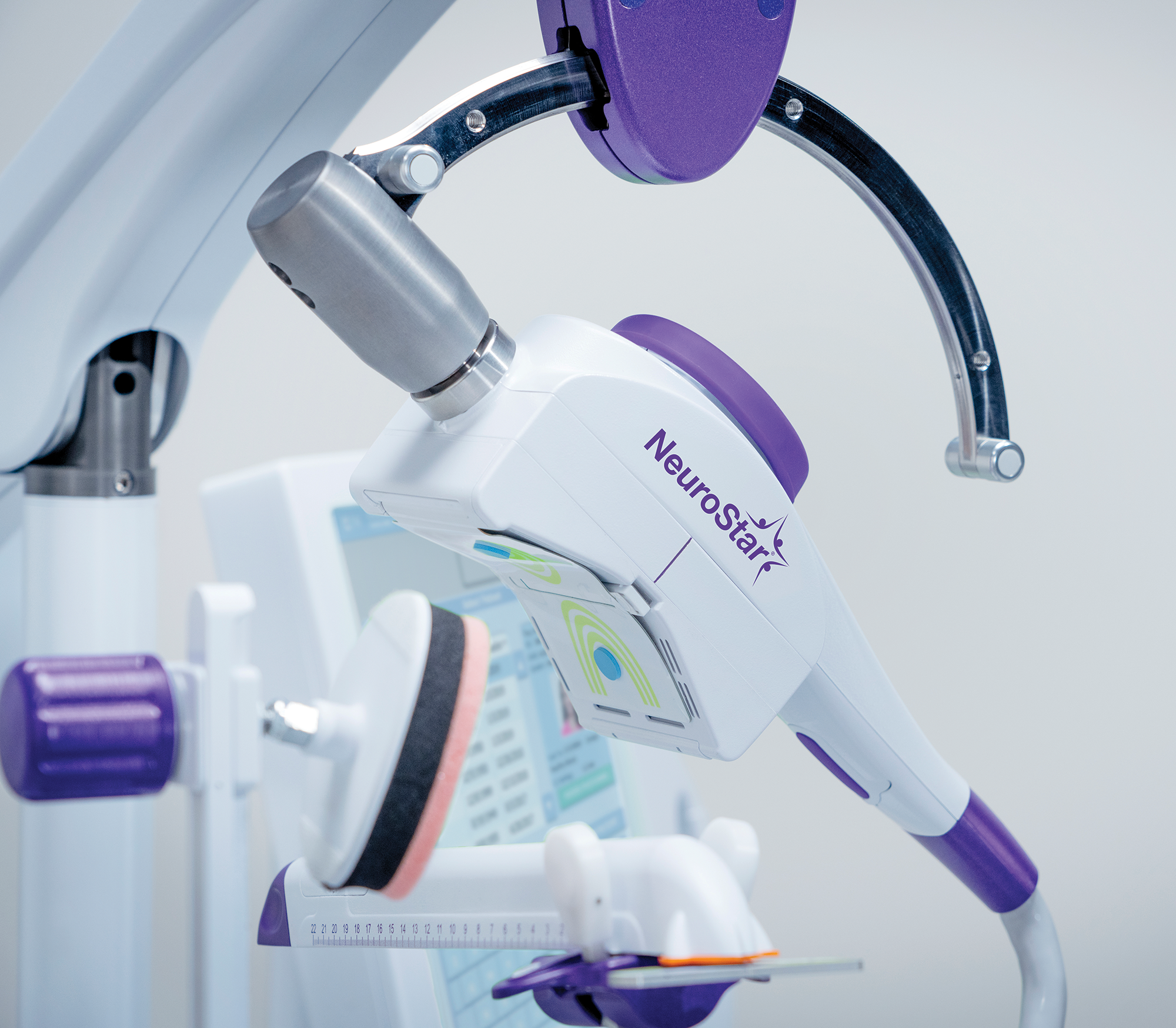
TMS bypasses the bloodstream entirely. Focused magnetic pulses reach the prefrontal cortex directly, stimulating neural activity in the region most consistently underactive in depression. No chemical adjustment. No systemic side effects. No withdrawal.
A Drug-Free Path — With Strong Clinical Evidence
Nothing enters your bloodstream
No medication. No chemical adjustment. No systemic effects on weight, libido, sleep architecture, or emotional range. TMS stimulates from the outside.
Directly targets what depression suppresses
The left prefrontal cortex — underactive in depression — receives focused magnetic stimulation session by session. The effect builds cumulatively across the treatment course.
83% response rate in patients who failed medication
NeuroStar’s clinical trials were specifically conducted in patients who had not responded to antidepressants. The response rates are not general population data — they are data from patients in exactly your situation.
No withdrawal when treatment ends
Treatment concludes after 36 sessions. There is no tapering, no discontinuation syndrome, no ongoing prescription management.
Step by Step — From Evaluation to Relief
Free Consultation & Insurance Check
We review your treatment history, confirm your diagnosis, and verify insurance before anything else happens.
Personalized Brain Mapping
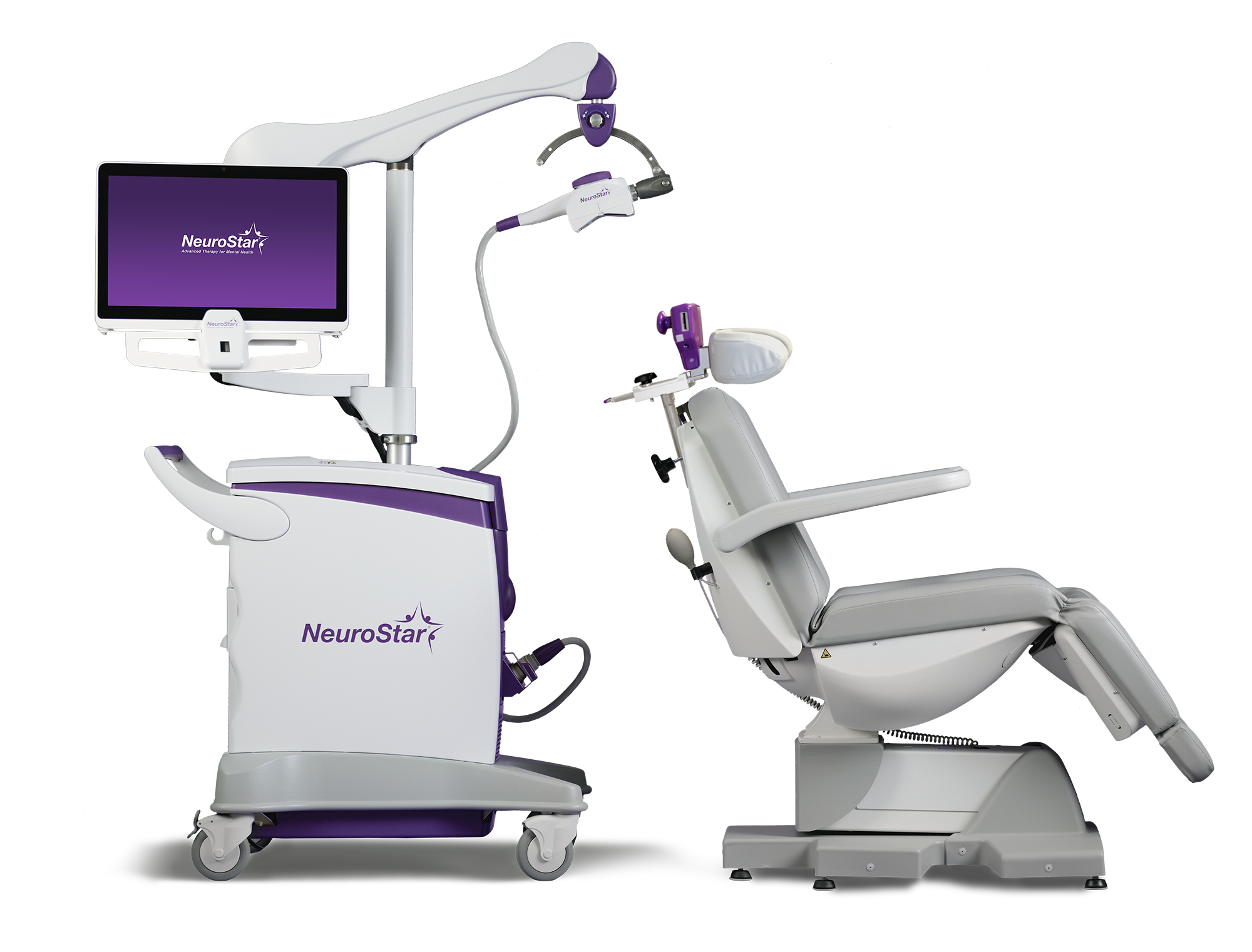
Your first session calibrates the device to your anatomy — identifying the exact location and magnetic intensity for your treatment.
36 Sessions Over 7–9 Weeks
Five sessions per week, approximately 20 minutes each. Drive yourself — no downtime, no disruption to your day.
Progress Monitoring Throughout
We track your symptom changes with validated tools and adjust the protocol if your response calls for it.
Sustained Relief
Many patients maintain meaningful improvement for one year or more following treatment completion.
What Patients Experience After Switching to TMS
These are the changes patients describe after choosing TMS following years of medication management.
Feeling emotions again — the full range
Not the chemically managed flatness that SSRIs often produce. Actual emotional responsiveness — grief, joy, connection — returning.
Body changes reversing
Weight that accumulated on medication, lethargy, physical dulling — many patients describe these improving after transitioning away from medication through TMS.
Mental clarity without pharmaceutical management
Thinking, processing, and decision-making that doesn’t require ongoing chemical adjustment to maintain.
Relief that feels earned — not dependent
Results that stay because the brain has been retrained — not because a medication has to be maintained indefinitely.
The Research Behind the Results
of patients in NeuroStar clinical trials responded with meaningful reduction in depression symptoms.
achieved full remission — no longer meeting the clinical threshold for major depressive disorder.
average duration of sustained symptom relief reported in long-term follow-up studies.
Results based on NeuroStar TMS clinical study data. Individual results may vary.
Heard From South Florida Patients
I tried four antidepressants over eight years. Each one worked partially, each one came with something I couldn’t live with. TMS was the first treatment that gave me real results without asking me to give something up in return.
The weight gain from SSRIs was significant. The emotional blunting was worse. I stopped taking them and felt like I had no options left. TMS showed me that wasn’t true. A year later I’m still the person who came out of that treatment.
My psychiatrist suggested TMS after my third medication failed. I was skeptical that anything else could work. I was wrong. TMS worked where medication didn’t because it works differently — and that difference matters.
What Patients Ask Before Starting
Other Conditions We Help With
Treatment-Resistant Depression
Multiple antidepressant failures meet the clinical definition of treatment-resistant depression — and the clinical threshold for TMS coverage.
Learn more →
Emotional Numbness
If antidepressants caused emotional blunting, TMS offers a path to restoring the full range.
Learn more →
Long-Term Depression
Years of medication management without full remission — TMS is built for exactly this patient.
Learn more →
There Is a Different Answer. Let’s Find Out if It’s Right for You.
A free consultation is 30 minutes. We verify insurance before you commit. TMS covered under most major plans for patients who have tried antidepressants.
Important Safety Information
NeuroStar TMS Therapy is indicated for the treatment of Major Depressive Disorder in adult patients who have failed to receive satisfactory improvement from prior antidepressant medication in the current episode. NeuroStar TMS Therapy is only available by prescription. The most common side effect is pain or discomfort at or near the treatment site. This is usually mild to moderate in severity and typically resolves within the first week of treatment. Rare risk of seizure (<0.1% per patient). For full safety information, visit neurostar.com.